Monthly Shelf November – Envelopes
An envelope. An object wrapping itself around another object. Enclosing by overlapping four flaps. A pocket of some sorts. A pocket wrapping messages and stories.
What do you envision when you read ‛envelope’? It most likely is an image of a rectangular piece of folded paper. Its appearance varies depending on your personal background and preferences.
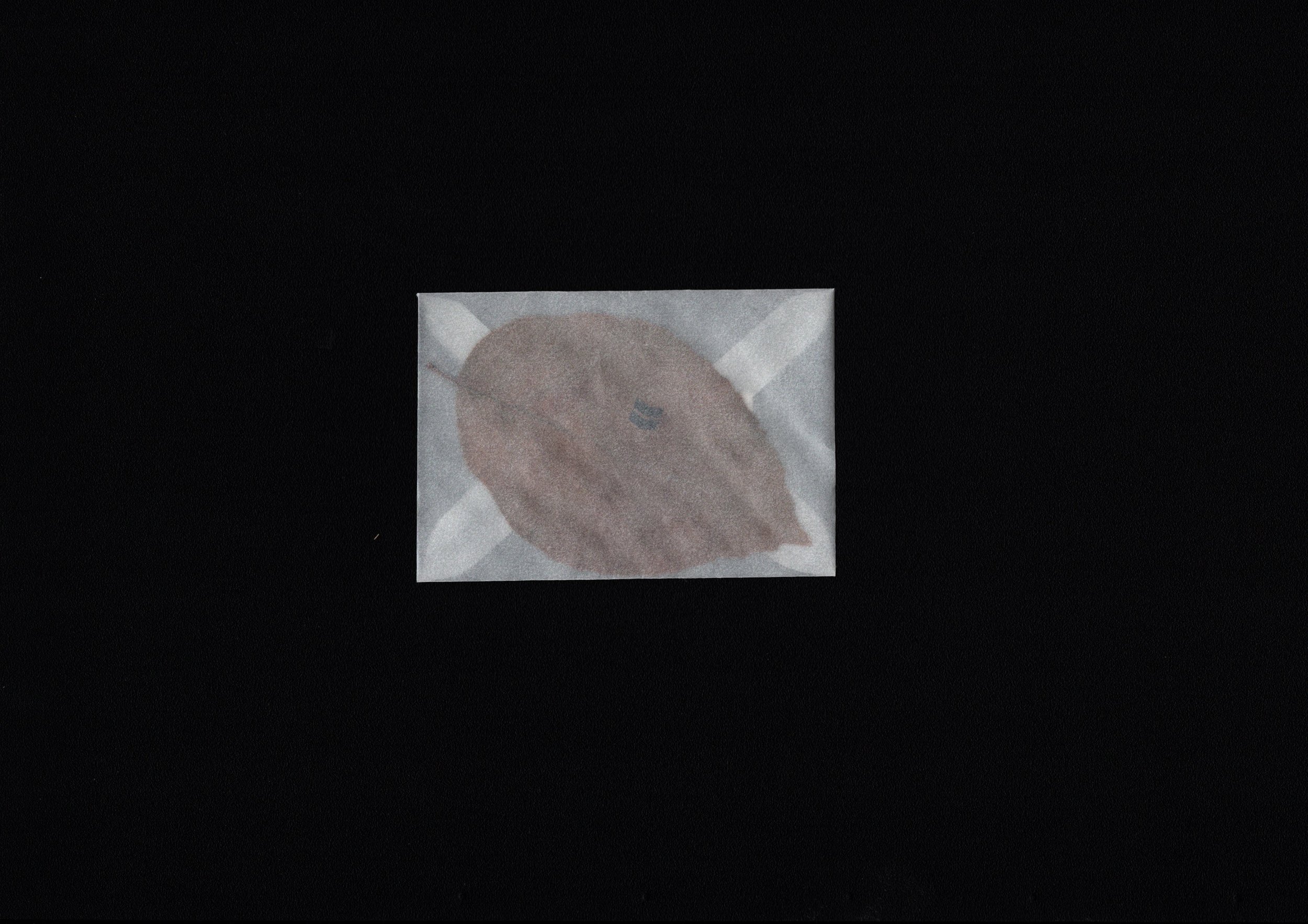
A snow-white, folded paper in a rectangular shape. The sensation of seal gum on your tongue while imagining it. You either hate it or love it.
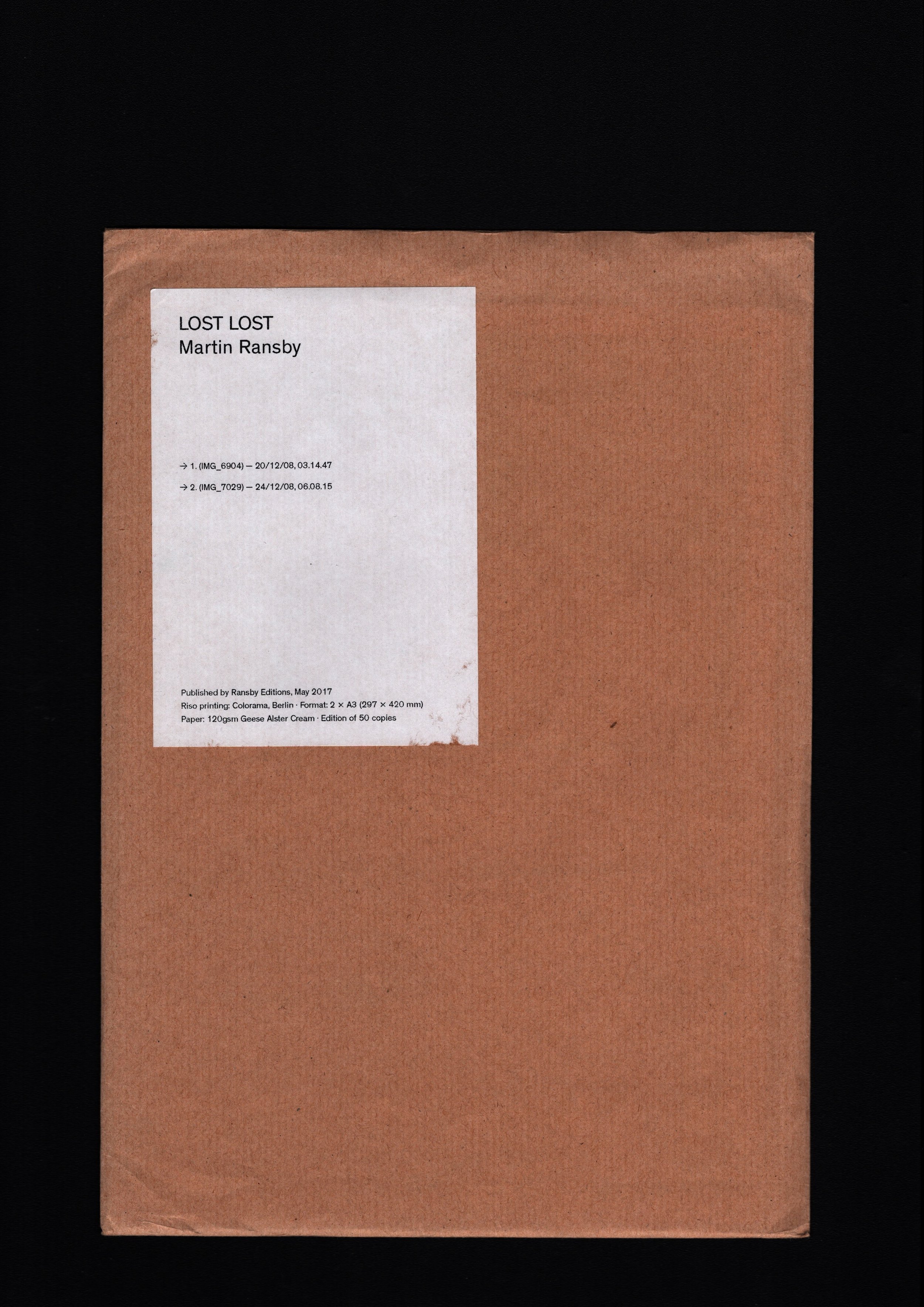
An eco-friendly-brown, folded paper in a rectangular shape. Whenever you use it, you feel the urge to use a nicely designed postmark rather than a generated QR code.
A snow-white, folded paper in a rectangular shape with a window. Whether you are the receiver or the sender, the paper inside, folded in thirds, sparks zero romance but pressure to fulfil a task.
A folded paper in a rectangular shape that doesn’t exist as a physical object, but as an app icon you tap on every day leading to your email inbox.
What do all of these imaginaries have in common?
They visualize a piece of paper wrapped around another piece of paper, which is sealed in some way and transferred from sender to receiver. A physical method used to transport messages that has been prominent over the last century and before. However it is declining at present. A recent and prominent example is the country this text is written from. Denmark has ended its state-run traditional letter delivery at the end of 2025. Instead they focus on exclusively delivering parcels. The lightweight piece of paper wrapped around another piece of paper gets replaced by an object or a collection of objects wrapped in thick paper, cardboard. Correspondence turning into consumption.
You might be wondering, how this relates to artists’ books.
Although an artist’s book (The question of what you define as a ‘book’ will be postponed for another time) is not an envelope send by mail, whether postal or digital, the two do share similarities: An artist book contains and shares a message, as the envelopes does. The message’s visuals might not be in form of a traditional letter text. Instead the whole artist book as an artwork contains messages for a curious reader constructed in form of images, shapes, text etc. The artist, creator, of the book can be interpreted as the sender and the reader as the receiver. So regardless of the book’s outer appearance you could argue; an artist’s book is an envelope itself.
But occasionally an artist book contains an additional layer of wrapping. Not to be confused with a dust jacket. A dust jacket as in, a detachable outer cover with two folded flaps which is used to protect the book from damage.
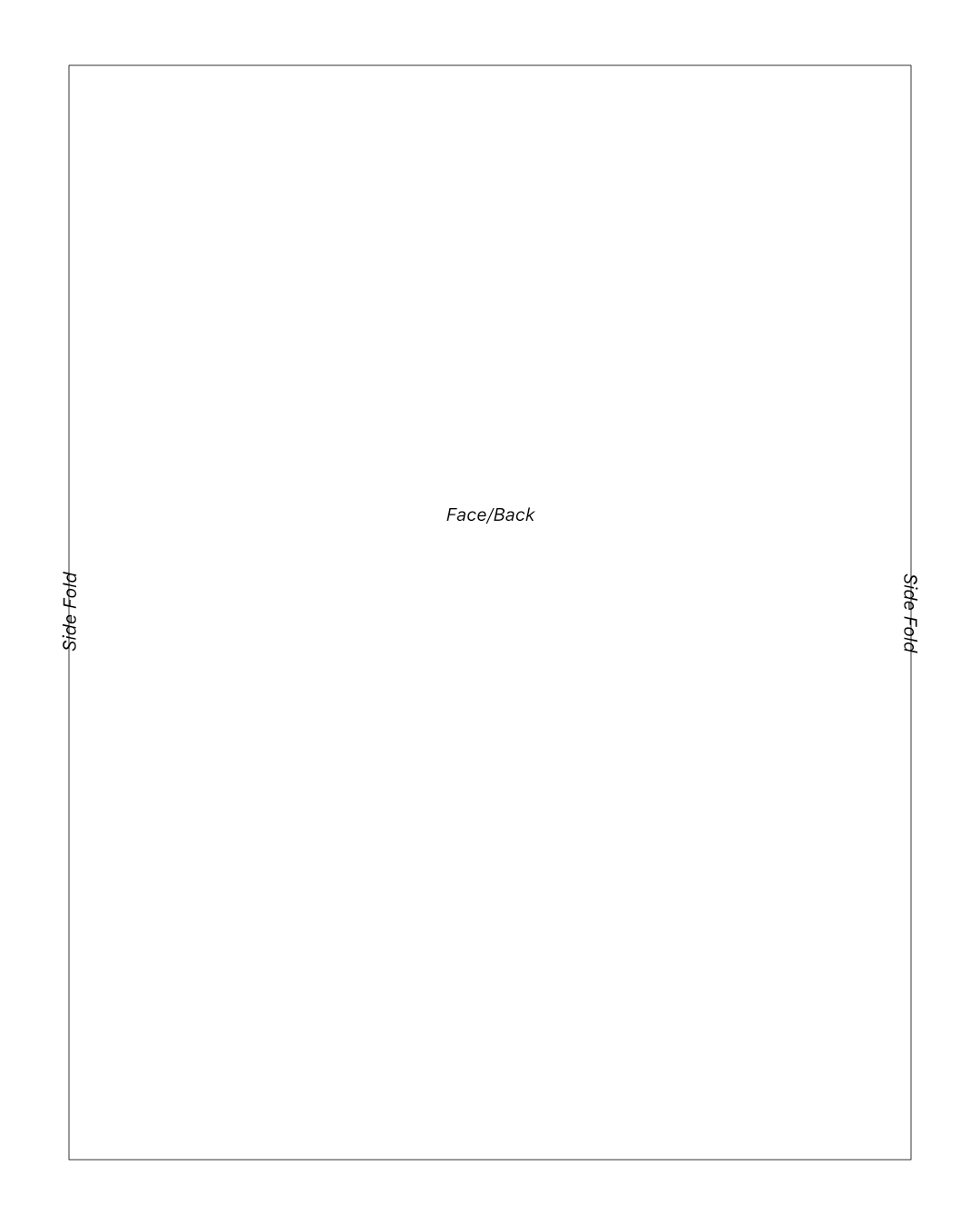
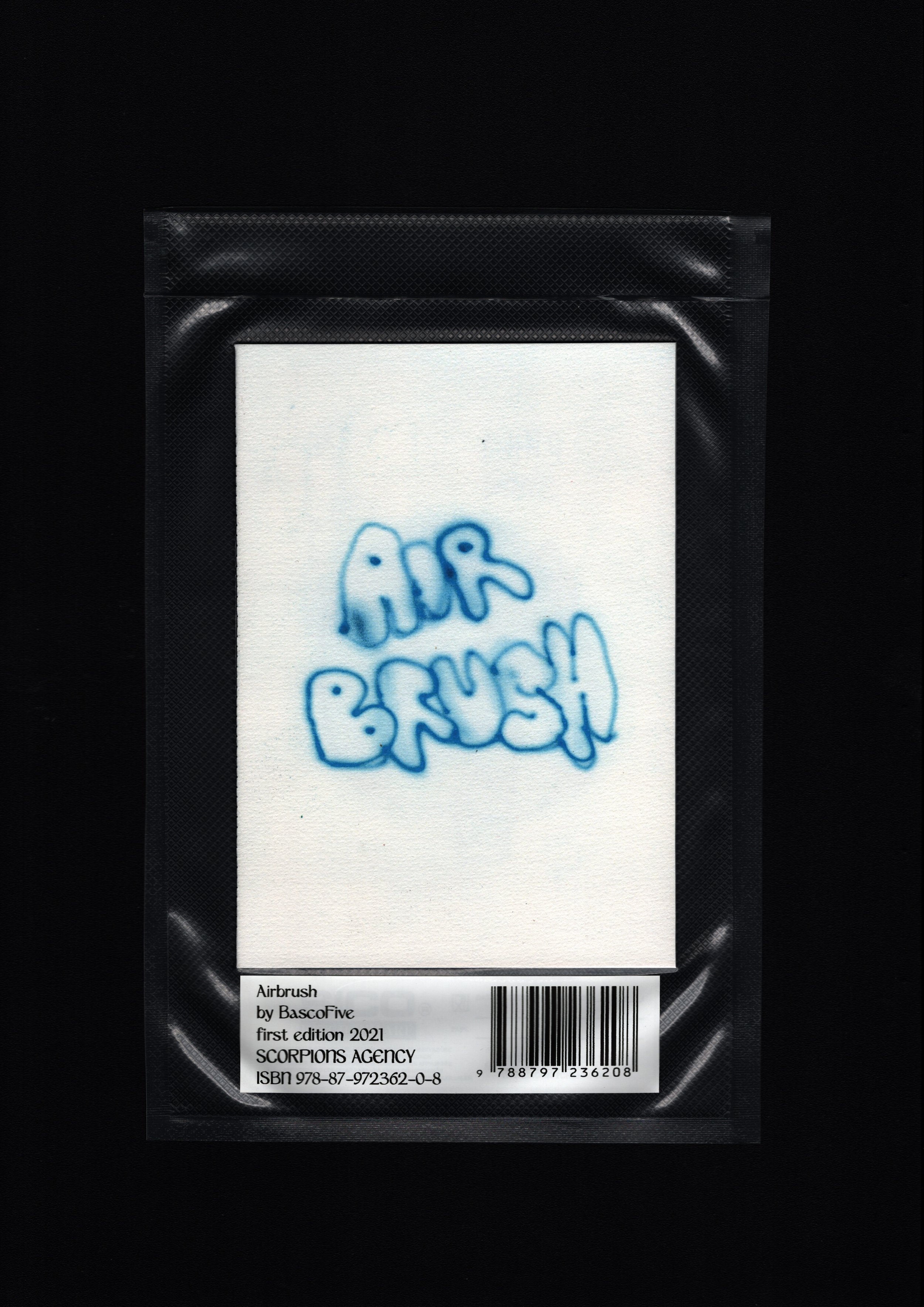
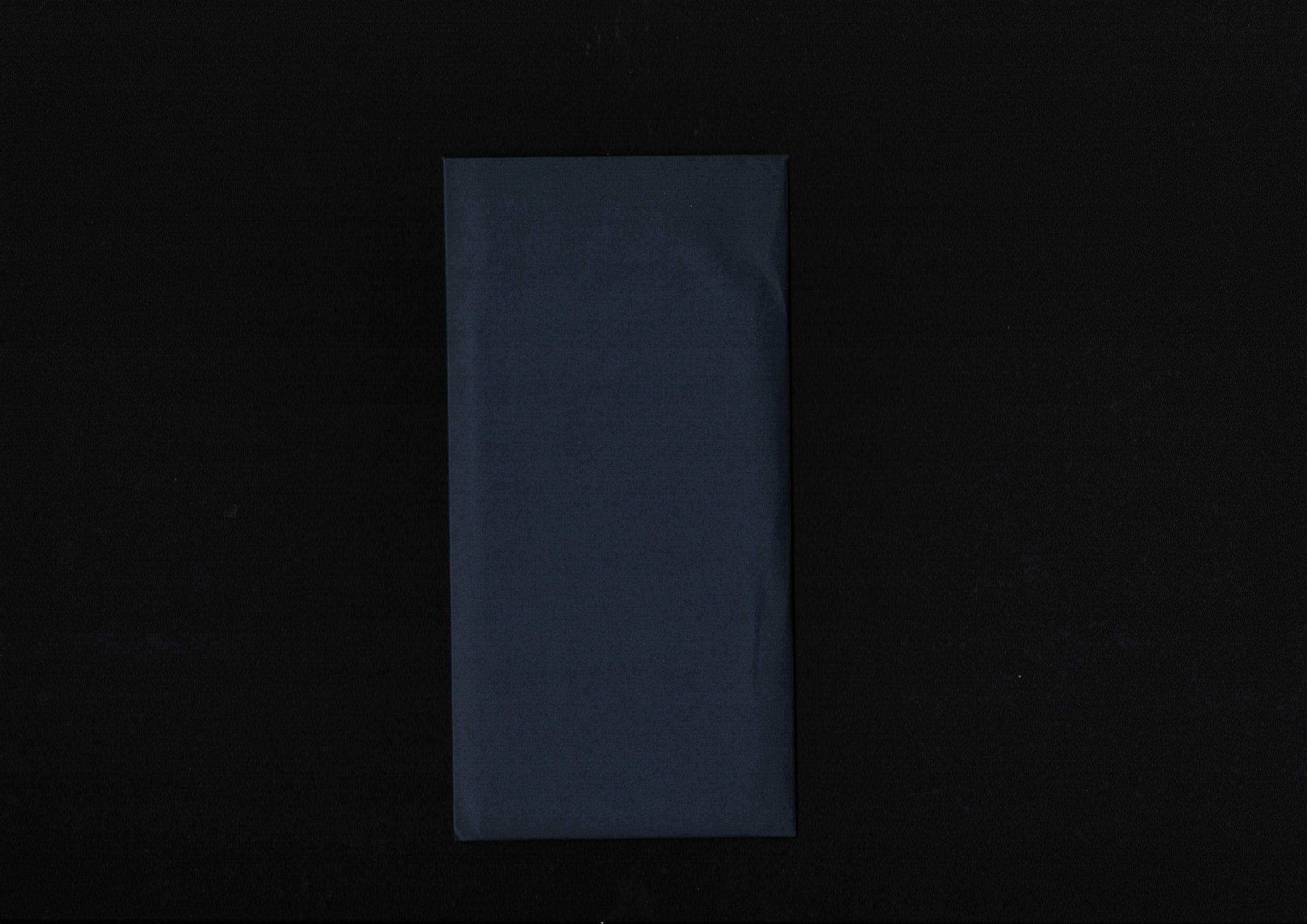
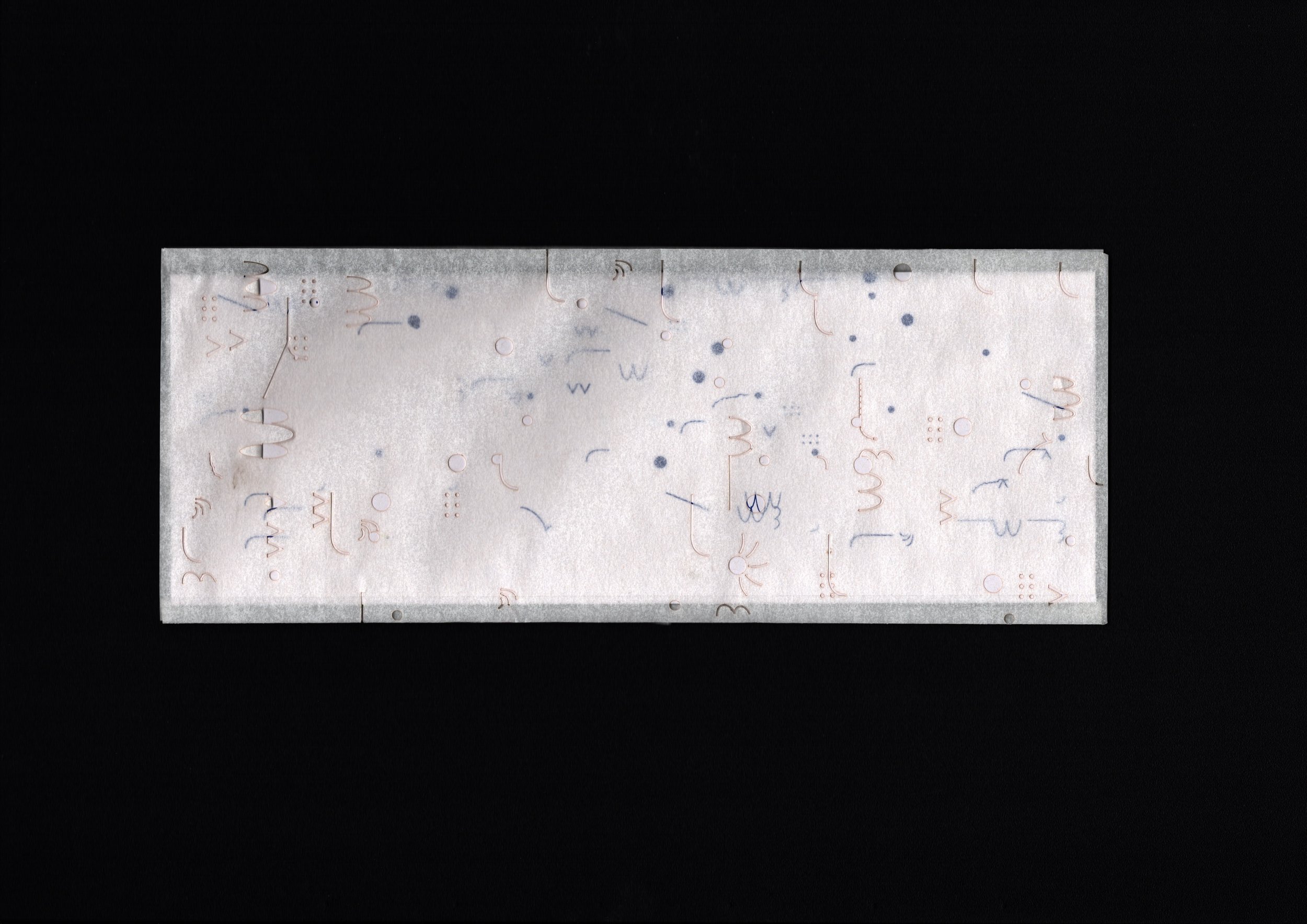
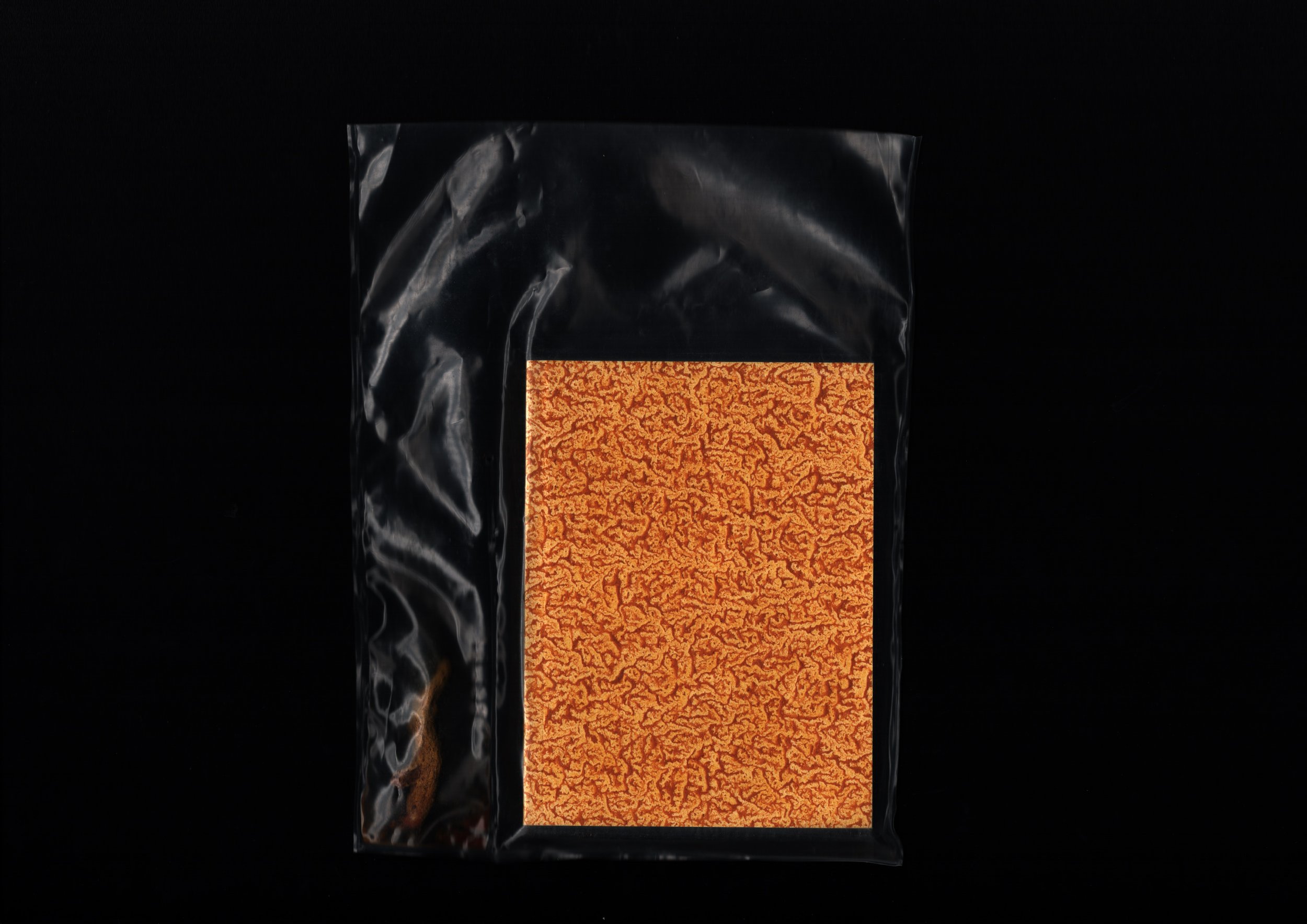
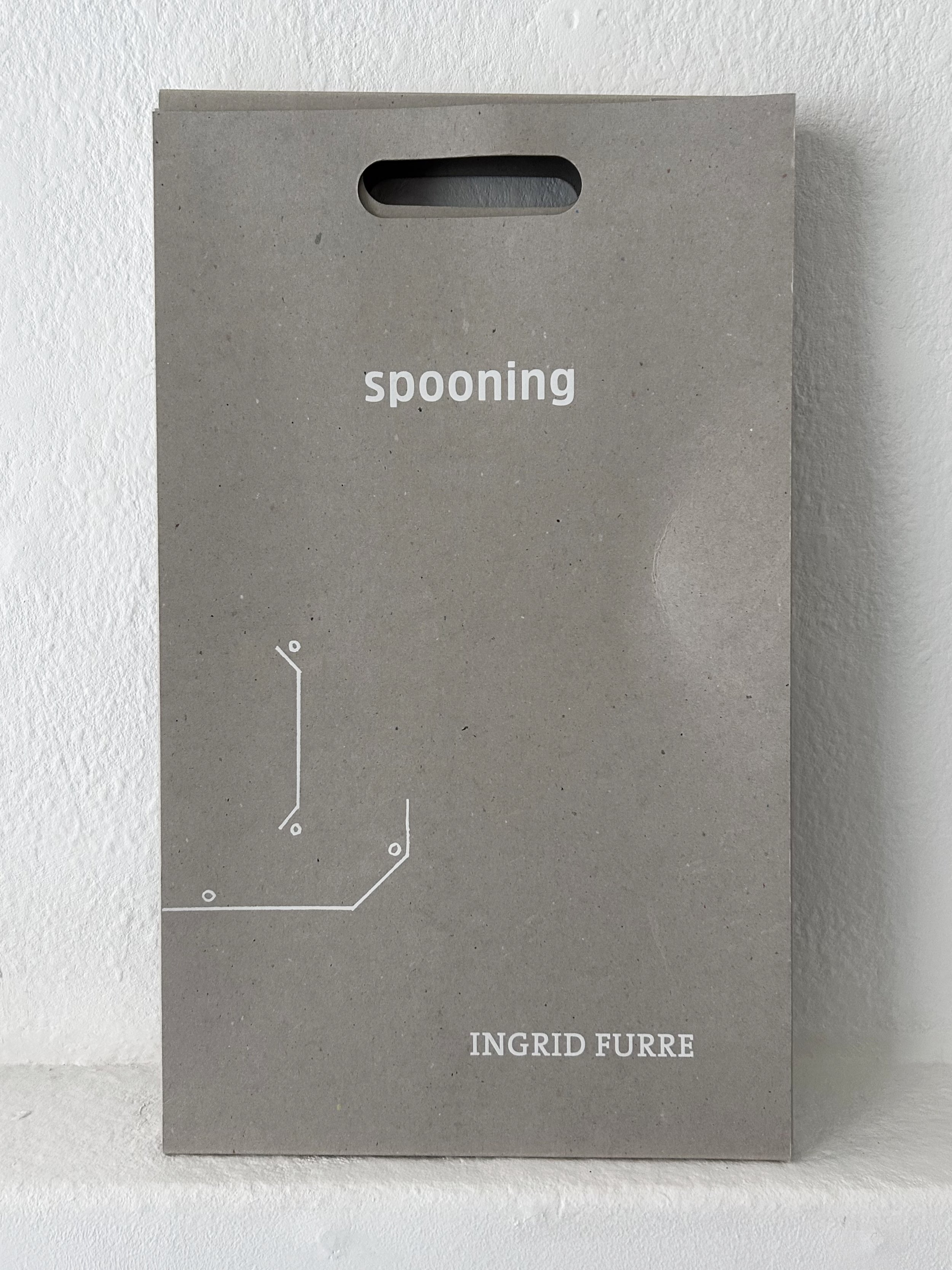
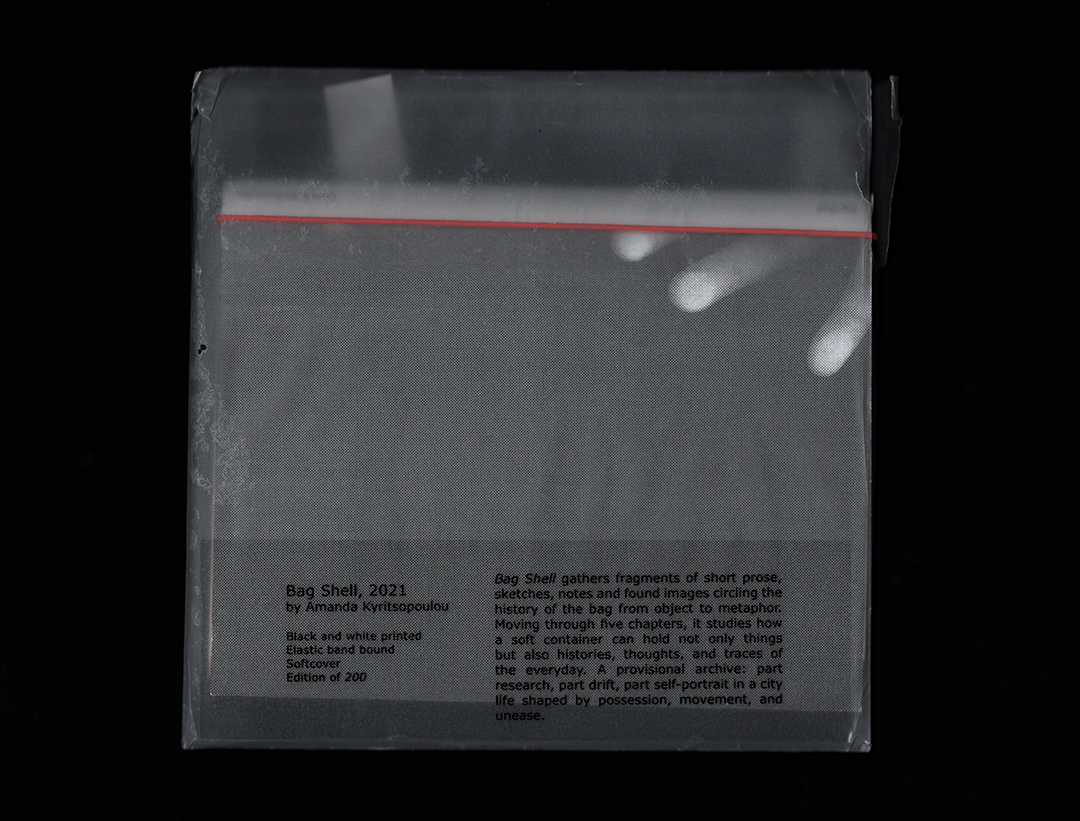
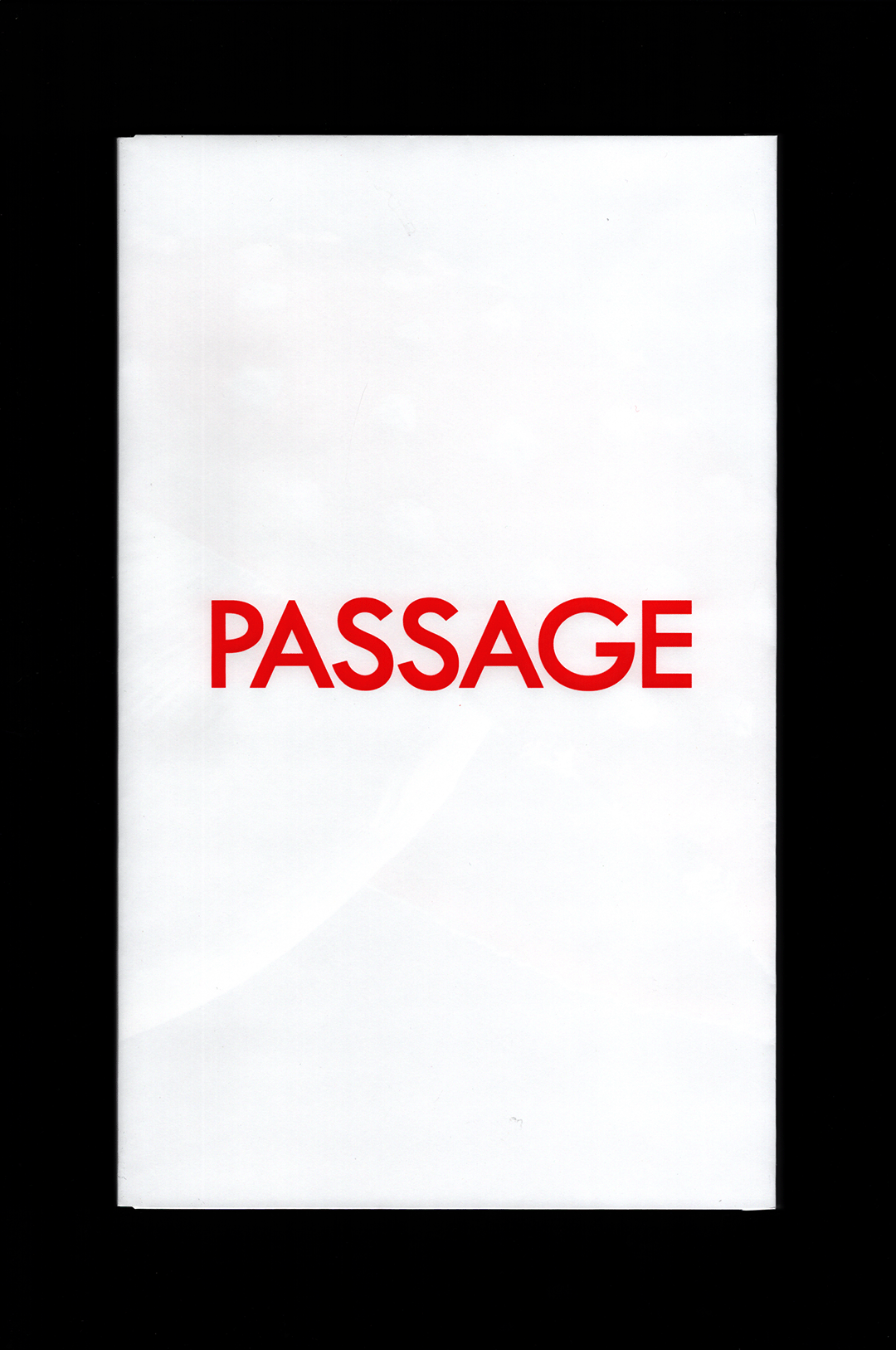
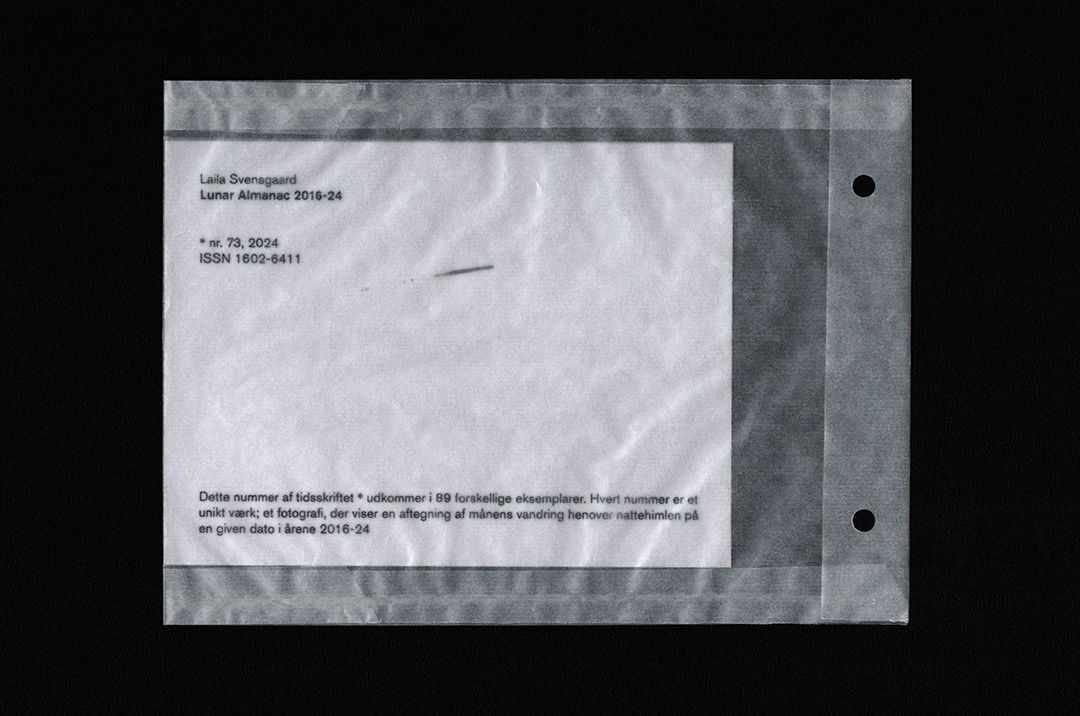
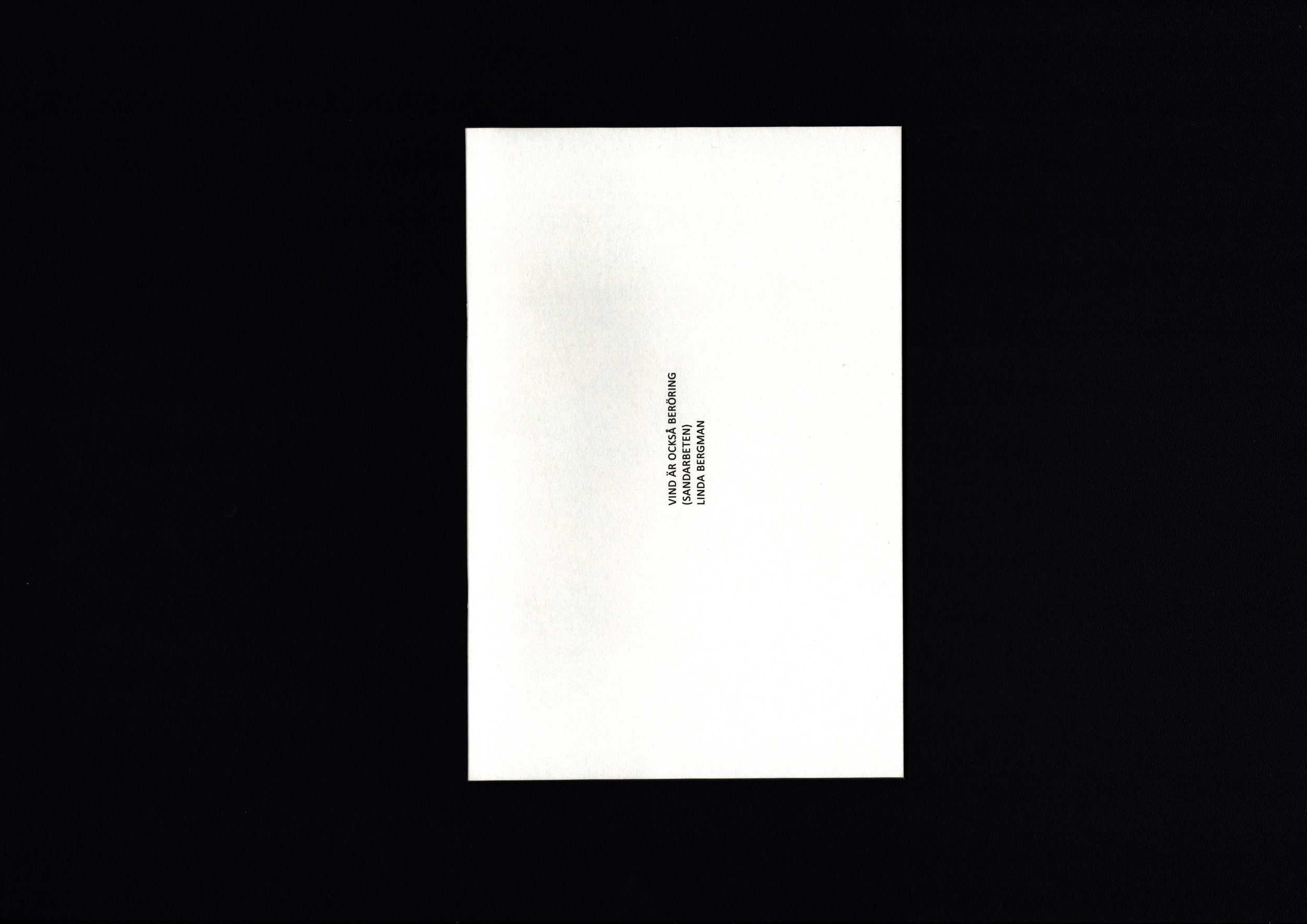
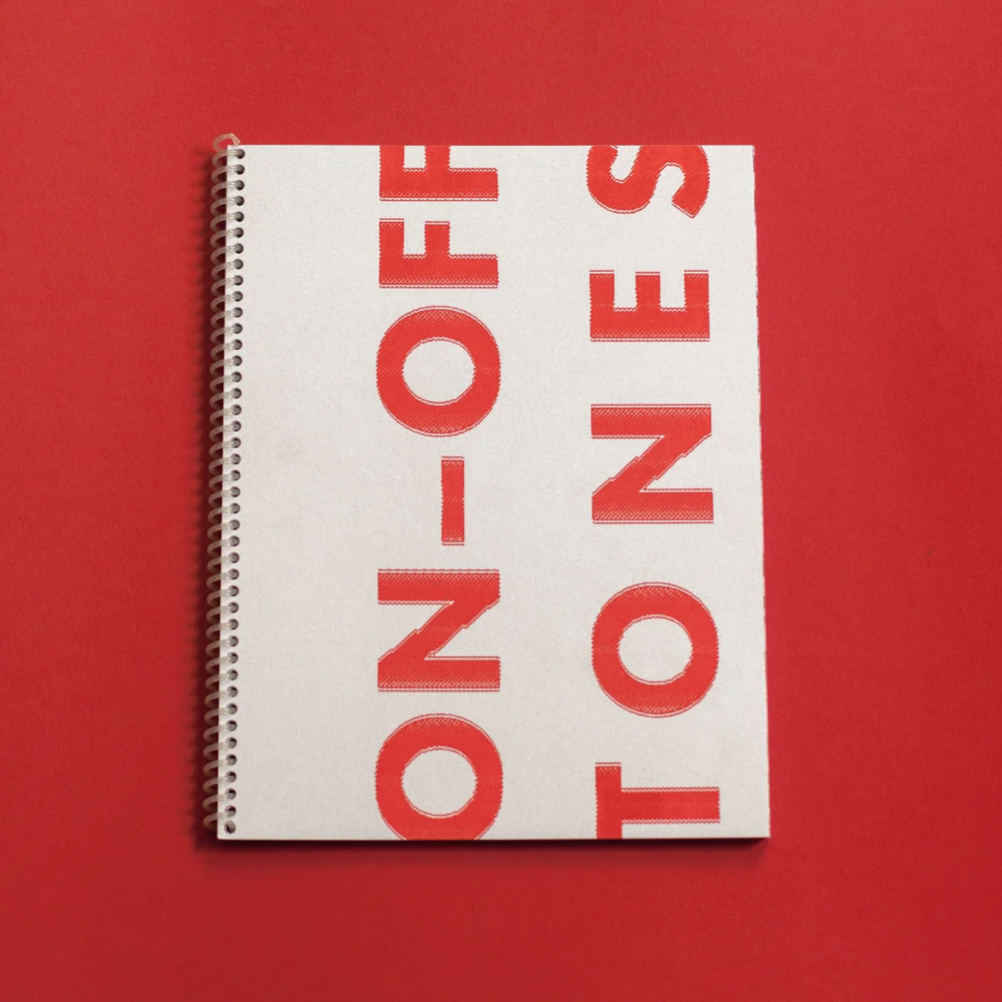
Some artist books at bladr have a wrapping which consists out of at least three folds and is sometimes also sealed.
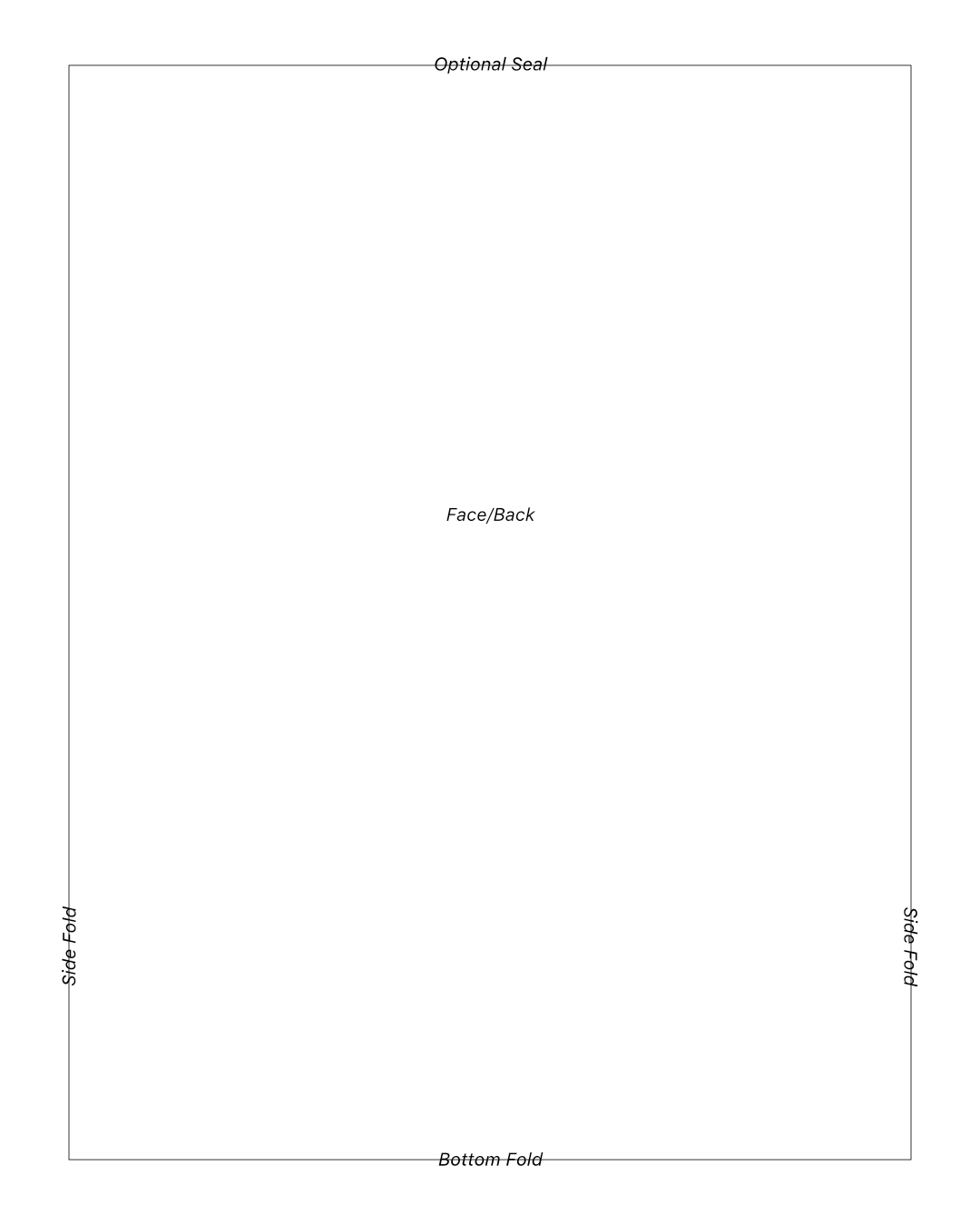
To us, these wrappings have a resemblance to the anatomy of an envelope.
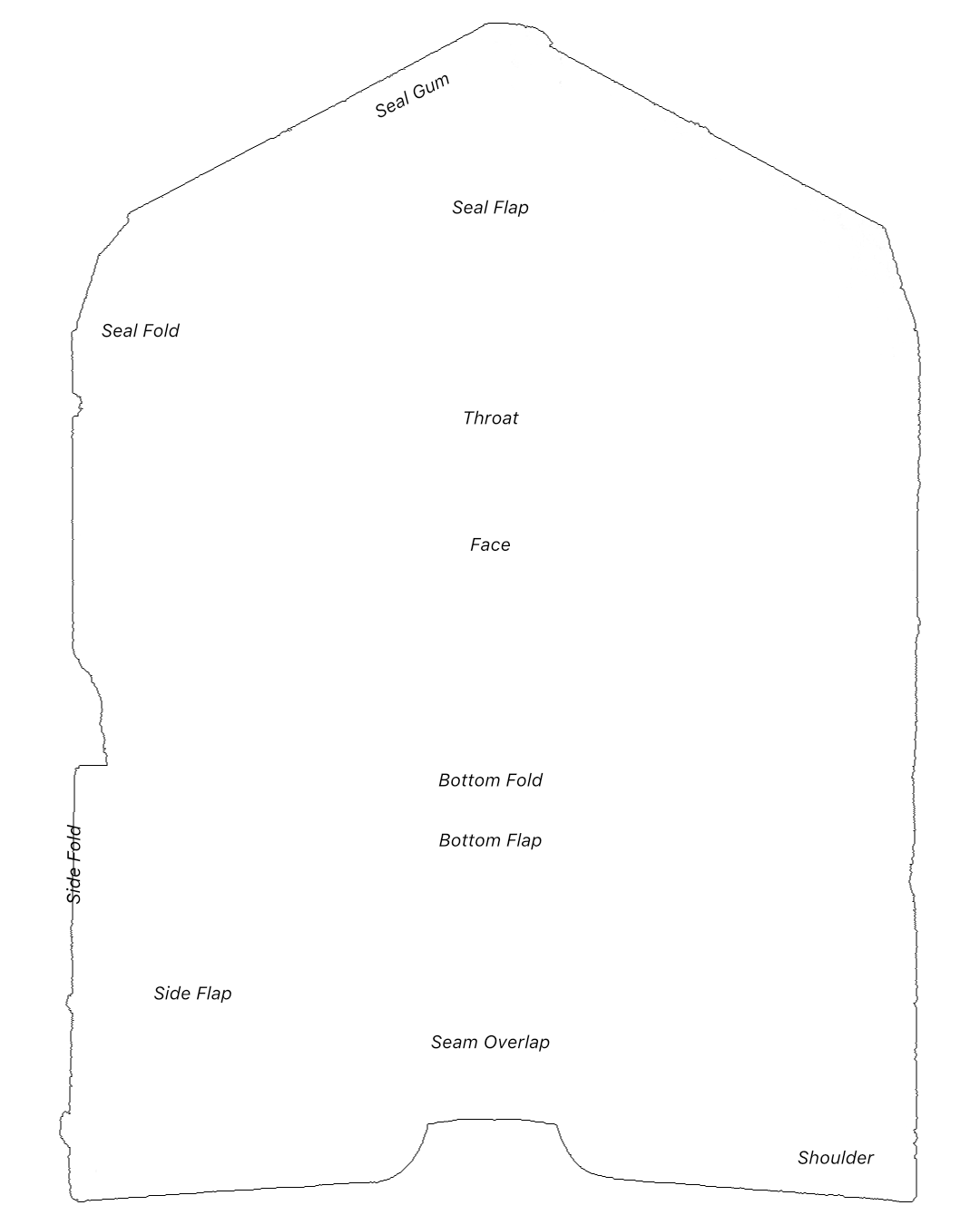
Which led us to our re-interpretation of an envelope and its use in artist book design.
A wrapping consisting of an enclosure formed by at least three folds with an optional seal, designed as an element of the artist's book.
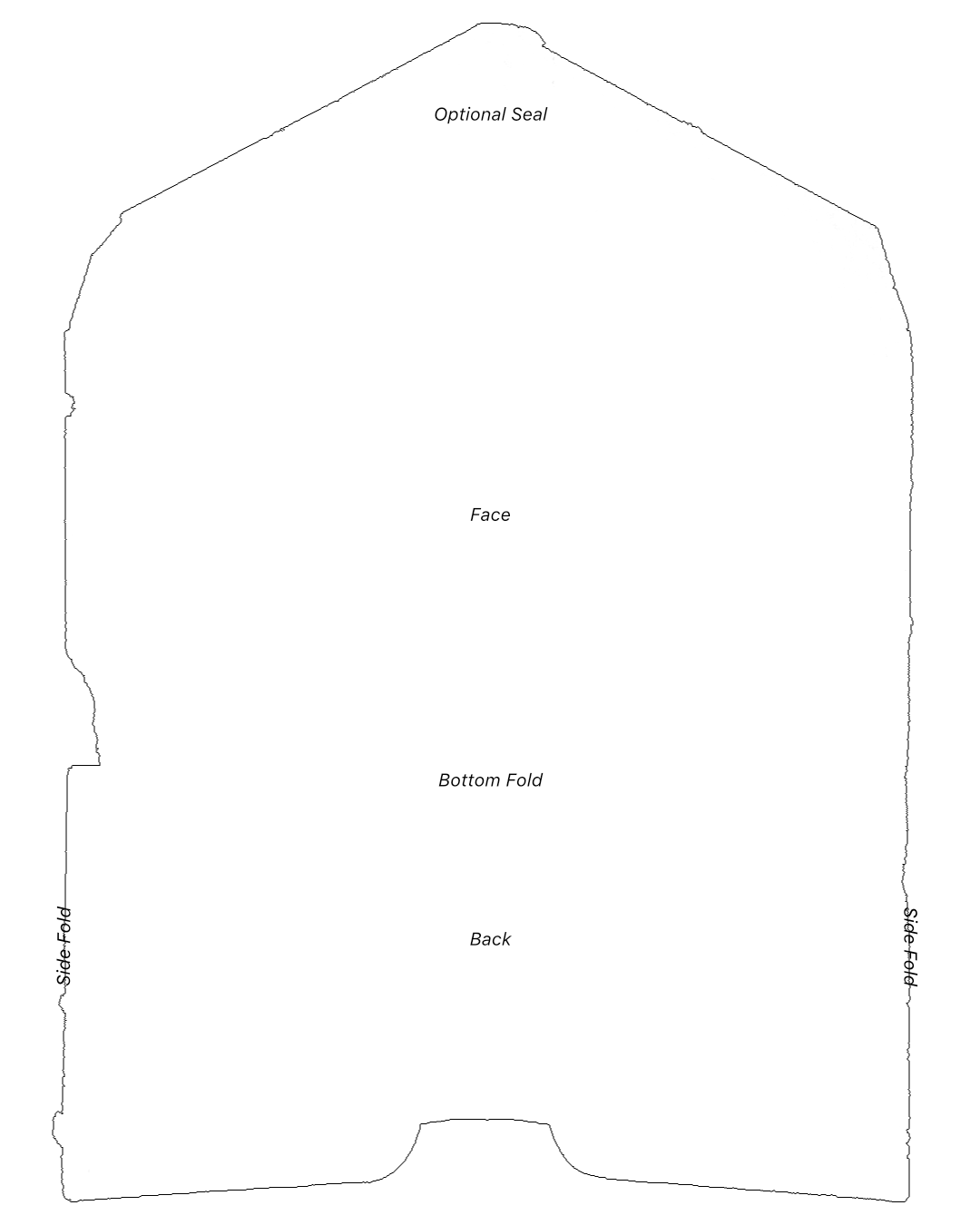
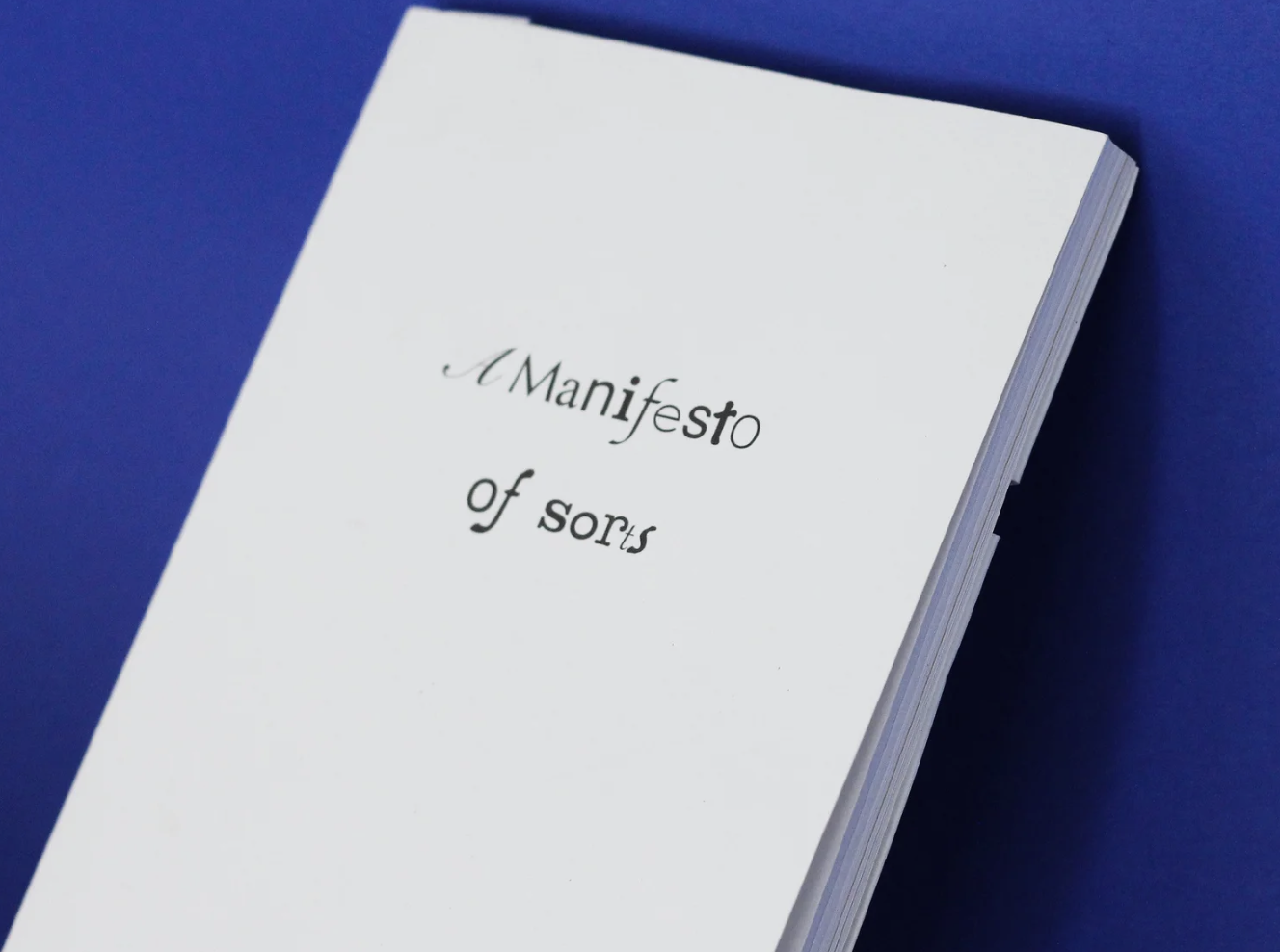
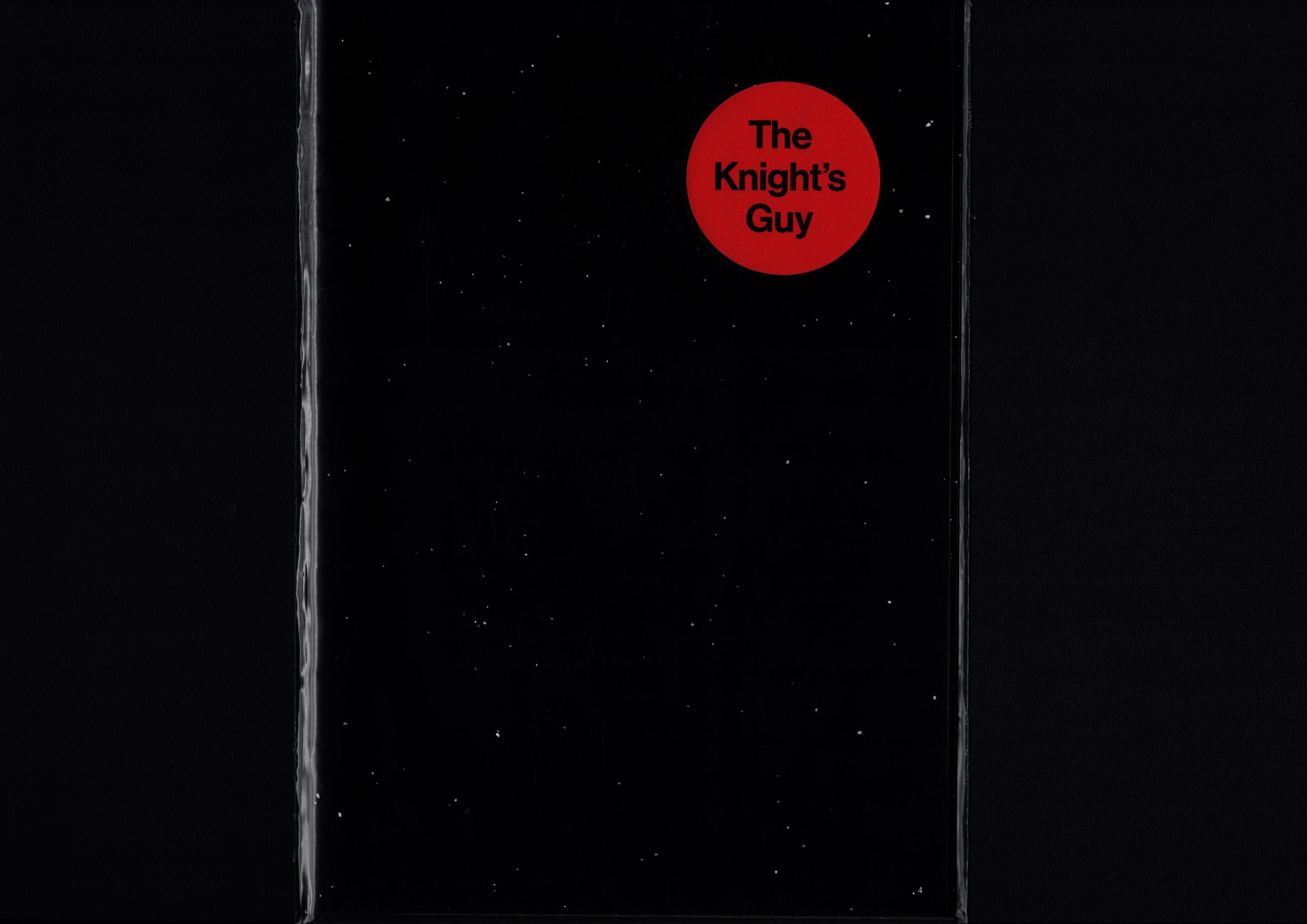
This November, we are focusing on envelopes that surround bound or unbound sheets of paper and are purposefully designed as a detachable layer of wrapping. The tactile experience of feeling the texture and weight of the wrapping, and seeing the outer visual components, influences the reader’s perception of the artist’s book, following the hierarchical order intended by the artist.
An envelope. An object wrapping itself around another object. Enclosing it by at least three folds. A pocket of some sorts. A pocket as a message.
Even though the interpretation of the artist’s book itself as a container, an envelope, without having an external designed layer, remains in the back of our minds.
So what do you, the reader, think?
An envelope. The artist’s book as a pocket of some sorts?
— Written by Nele Kram
See: The November Artists’ Books